

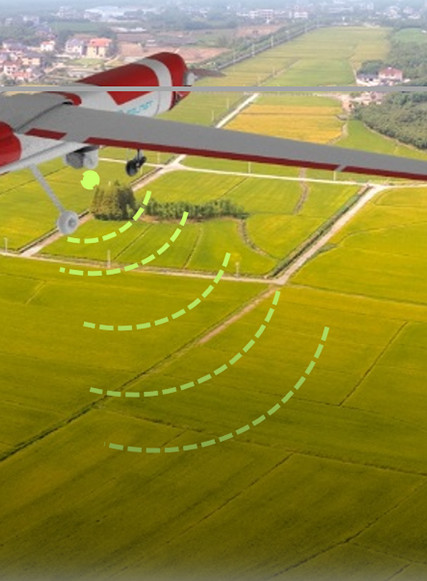

How Drones Are Revolutionizing Modern Agriculture
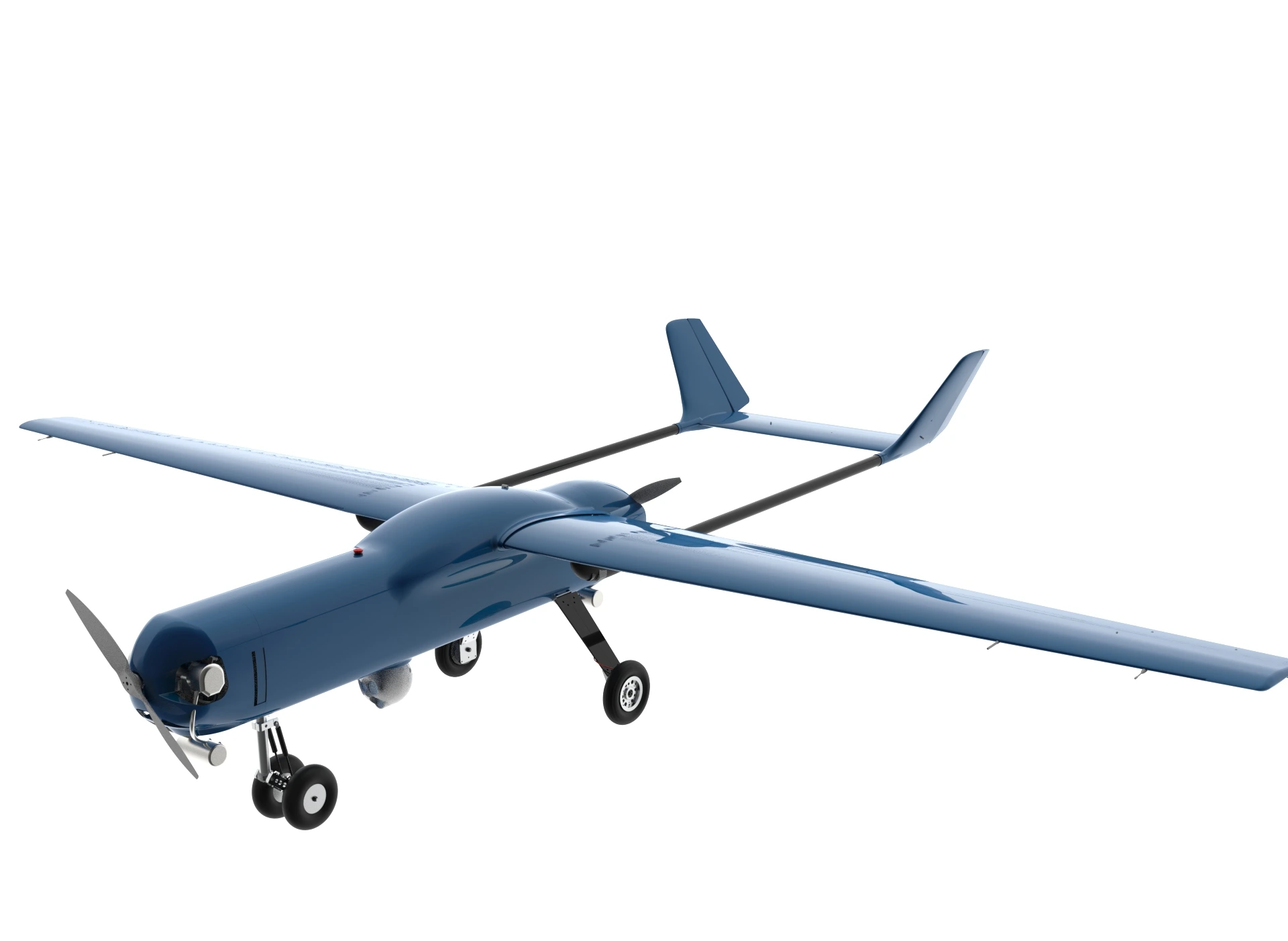
Agriculture is entering a new era, driven by smart technologies that increase productivity while reducing environmental impact. Among these innovations, drones—also known as UAVs (Unmanned Aerial Vehicles)—have become essential tools for farmers around the world. With their ability to capture precise data and perform tasks that once required hours of manual labor, drones are transforming how we monitor crops, manage resources, and improve yields.
In this article, we explore the main ways drones are used in agriculture and why they are becoming indispensable in modern farming.
1. Crop Monitoring and Health Analysis
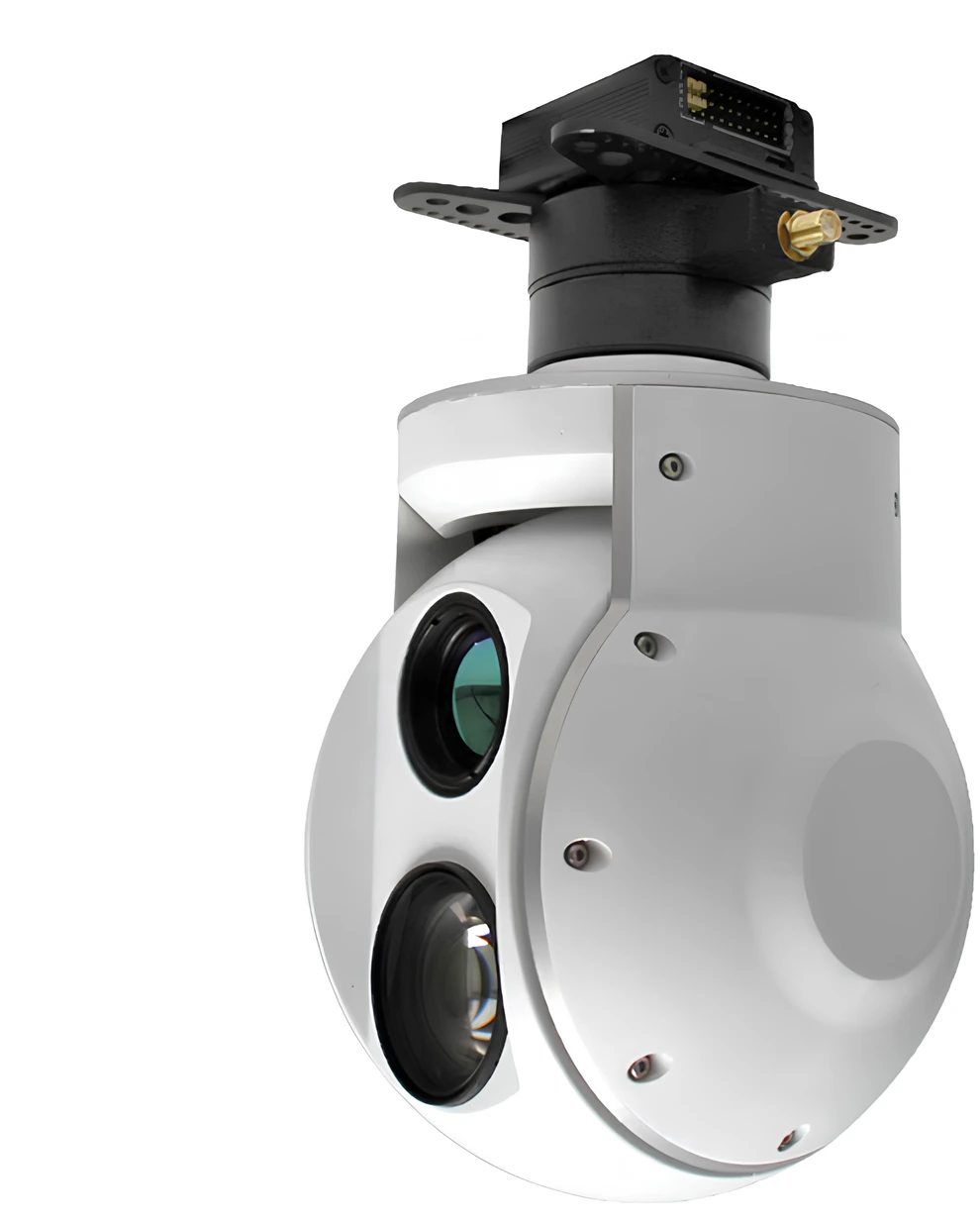
Farmers use drones equipped with high-resolution or multispectral cameras to get a clear overview of crop health. These aerial images help identify:
-
Early signs of disease
-
Pest infestations
-
Nutrient deficiencies
-
Plant stress due to water shortage
With this data, farmers can take action before problems spread, reducing losses and improving crop quality.
2. Precision Agriculture and Smart Decision-Making
Drones play a key role in precision agriculture, a method that uses real-time data to optimize farming decisions. Thanks to drone surveys, farmers can:
-
Create accurate crop maps
-
Apply fertilizers or pesticides only where needed
-
Reduce chemical consumption
-
Improve yield forecasting
This targeted approach helps reduce cost and environmental impact while increasing productivity.
3. Irrigation Management
Water management is one of agriculture’s biggest challenges. With thermal sensors and advanced imaging, drones can detect:
-
Over-irrigated zones
-
Dry spots
-
Leaks in irrigation systems
-
Areas with poor water penetration
This allows farmers to adjust watering schedules, reduce waste, and ensure crops receive the right amount of water.
4. Planting and Seeding
Some advanced agricultural drones are capable of automated seeding. These drones shoot seed pods directly into the soil, making planting faster and more efficient. This technology is especially useful for:
-
Reforestation efforts
-
Planting in difficult or steep terrain
-
Large-scale crop expansion
Automated seeding drones save labor time and increase planting accuracy.
5. Spraying Fertilizers and Pesticides
Agricultural spraying drones are changing how farmers apply treatments. These drones can:
-
Spray pesticides, herbicides, and fertilizers precisely
-
Reduce exposure of farmers to chemicals
-
Cover large fields quickly
-
Reach areas that tractors cannot access
Their precision reduces environmental contamination and ensures better crop protection.
6. Soil and Field Analysis
Before planting, drones can help perform soil health assessments. By generating detailed 2D or 3D maps, drones can analyze:
-
Soil texture
-
Moisture levels
-
Elevation and topography
-
Field drainage patterns
These insights help farmers plan planting strategies and optimize field layout.
7. Livestock Monitoring
Drones are not limited to crop farming—they also support livestock management. They can be used to:
-
Track animal movement
-
Monitor herd health
-
Locate missing animals
-
Inspect large grazing zones
This reduces manual labor and improves animal welfare.
Conclusion: A Smarter and More Efficient Future for Farming
Agricultural drones are reshaping farming by providing fast, accurate, and cost-effective data. From monitoring crops to managing water, spraying fields, and tracking livestock, drones help farmers make smarter decisions and maximize productivity. As technology continues to evolve, drones will become even more autonomous, affordable, and powerful—ushering in a new era of sustainable and efficient agriculture.