

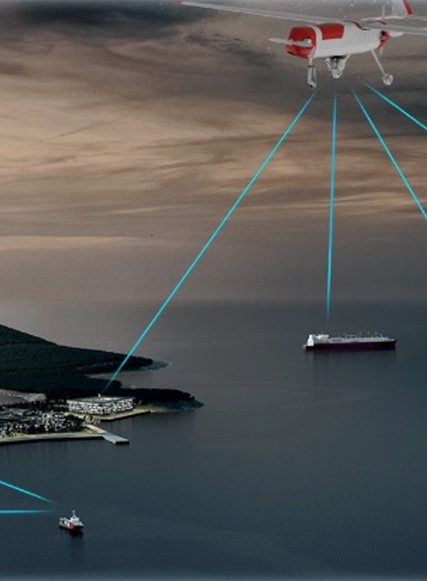

How Drones Are Transforming Environmental Protection and Sustainability
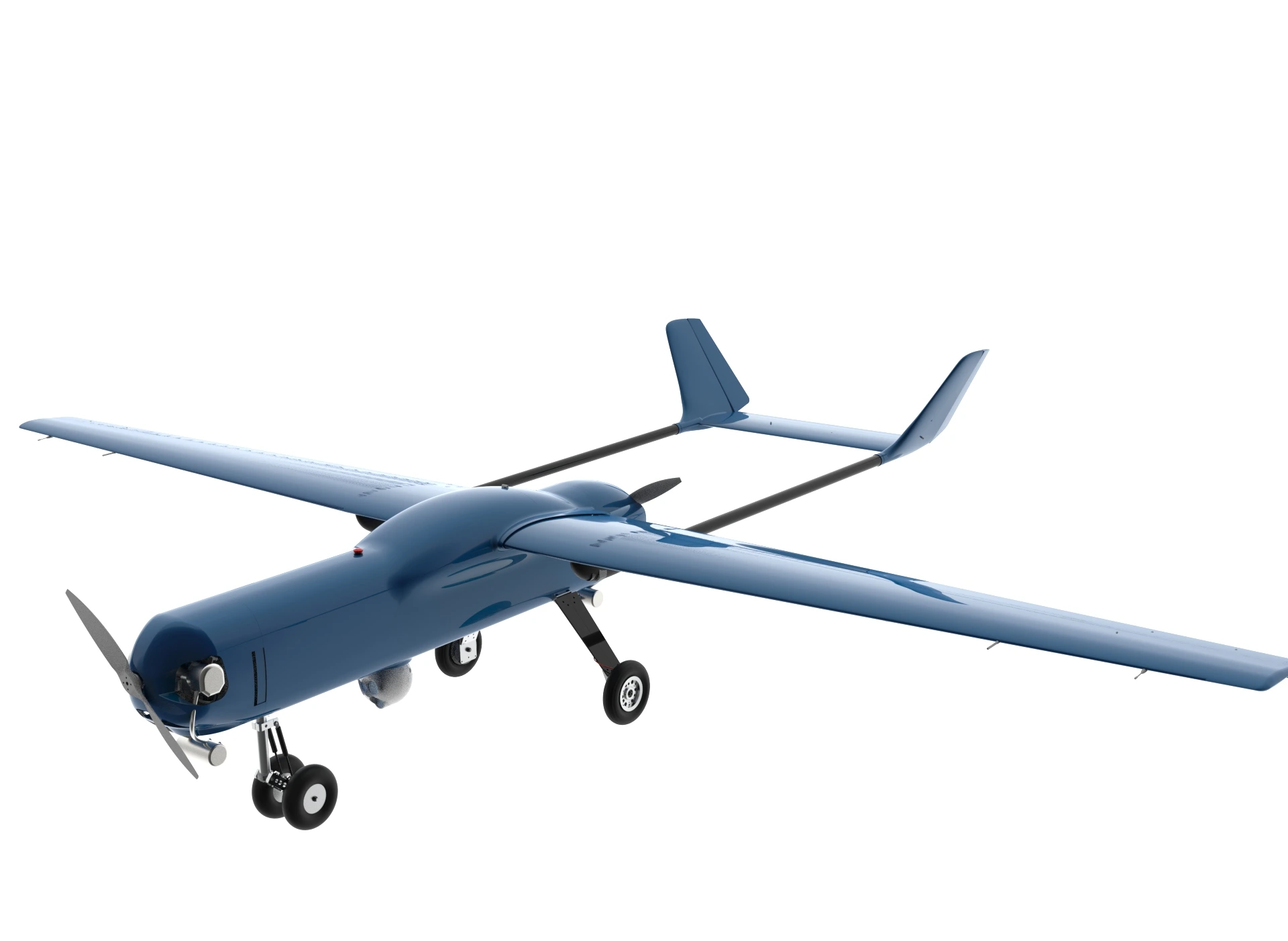
Over the past decade, drones have evolved from hobby gadgets into powerful tools for environmental conservation. Thanks to their ability to fly over difficult terrain, capture high-resolution data, and operate with low cost and risk, drones are revolutionizing the way researchers, governments, and environmental organizations monitor and protect the planet.
In this article, we explore how drones are currently being used in environmental applications—and why they are becoming essential in the global fight for sustainability.
1. Monitoring Wildlife and Protecting Endangered Species
Conservationists use drones to observe animals from the sky without disturbing them.
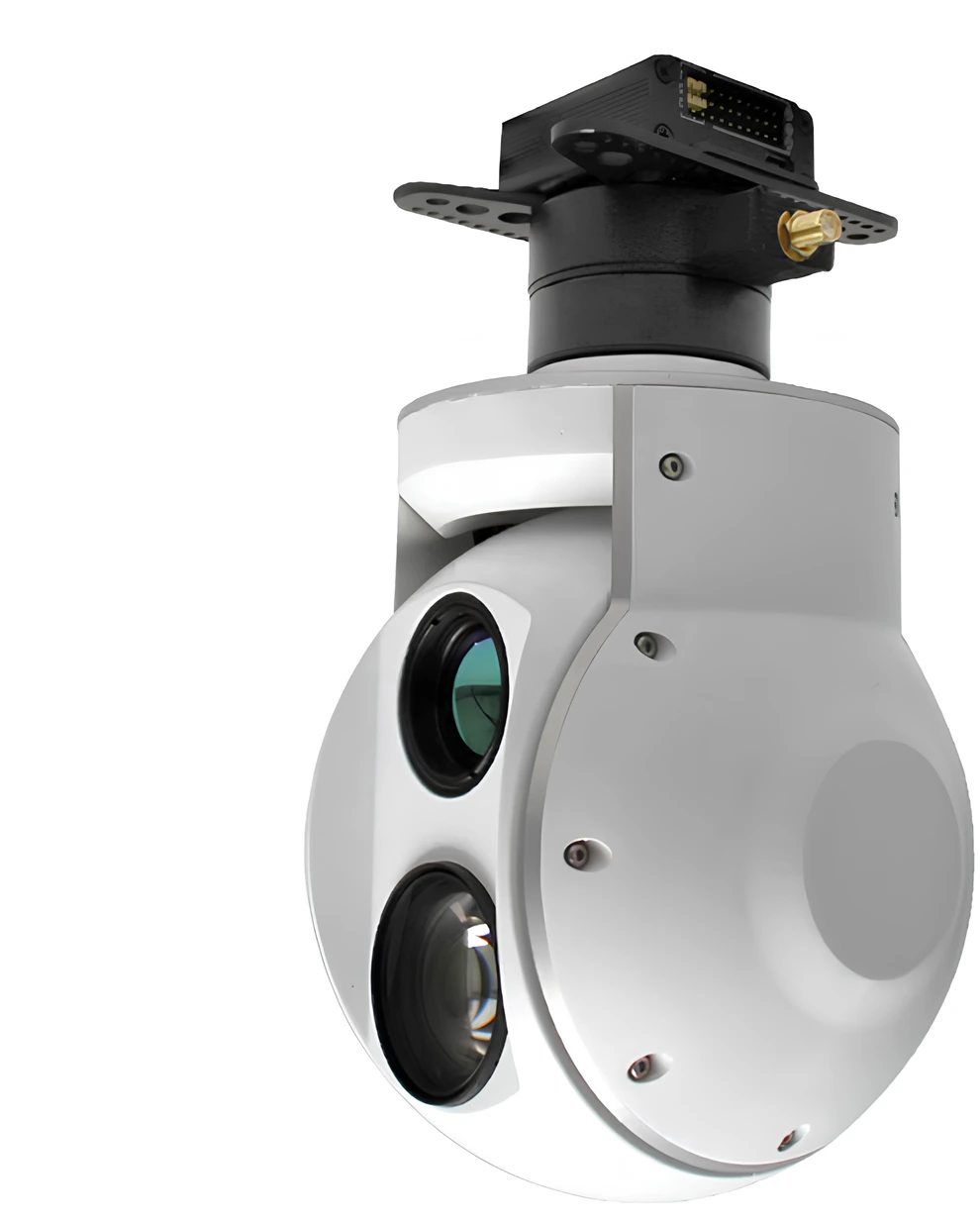
With thermal cameras and zoom lenses, drones can:
-
Track migration patterns
-
Count animal populations
-
Monitor breeding areas
-
Detect poachers in protected reserves
For endangered species like elephants, rhinos, sea turtles, and gorillas, drones offer real-time surveillance that is far faster and safer than traditional ground patrols.
2. Mapping Forests and Preventing Deforestation
Forestry teams rely on drones to generate high-resolution maps of forests in a matter of hours. These maps help environmental organizations:
-
Detect illegal logging activities
-
Measure tree density
-
Monitor forest health and disease
-
Observe changes in land use over time
Compared to satellite imagery, drone mapping provides better detail and can be done on demand—even in cloudy conditions.
3. Assessing Natural Disasters and Climate Change Impacts
Natural disasters like floods, hurricanes, wildfires, and landslides require quick assessment to protect communities and ecosystems. Drones play a crucial role by:
-
Mapping damage in real time
-
Identifying areas in urgent need of support
-
Helping emergency teams reach inaccessible zones
-
Monitoring coastal erosion and melting glaciers
Their rapid deployment provides critical data for climate scientists studying long-term environmental changes.
4. Reforestation and Smart Agriculture
Environmental restoration projects increasingly use drones to plant trees or distribute seeds over large areas. Some reforestation programs use automated drones capable of planting thousands of seeds per day in difficult terrain.
In sustainable agriculture, drones help farmers reduce environmental impact by:
-
Monitoring soil health
-
Detecting irrigation issues
-
Analyzing crop conditions with multispectral imaging
-
Applying fertilizers precisely to reduce waste
This precision reduces water usage, chemical runoff, and overall environmental footprint.
5. Water Quality Monitoring and Marine Conservation
Drones are now used in coastal and marine environments for:
-
Monitoring coral reef health
-
Detecting pollutants in water bodies
-
Keeping track of illegal fishing
-
Inspecting coastlines and marine protected areas
Some environmental groups use waterproof drones capable of diving underwater to capture data that was once expensive or impossible to obtain.
6. Air Quality and Pollution Control
Environmental agencies deploy drones equipped with specialized sensors to measure air pollution. These drones can:
-
Detect toxic gas leaks
-
Monitor industrial emissions
-
Measure particulate levels over cities
-
Track pollution sources in real time
This data supports cleaner urban planning and helps enforce environmental regulations.
Conclusion: A New Era of Environmental Protection
Drones have become indispensable in environmental science. Their speed, precision, and cost-effectiveness make them ideal for monitoring ecosystems, protecting wildlife, combating climate change, and supporting sustainable development.
As drone technology continues to advance—with better batteries, AI analytics, and autonomous flight—their role in environmental protection will only grow stronger. For governments, NGOs, and researchers, drones offer a powerful tool to safeguard our planet for future generations.